While self-isolation has everyone binge-watching TV and movies to pass the time, I’ve probably been watching less than I used to. Rather than finding relief from the anxiety of the outside world, I find myself reminded of the things that we have temporarily lost. Nevertheless, even with my gloomy demeanor, I can be uplifted by escapist stories and have found a couple of new streaming anthology series that strike the right note of distraction.
Amazing Stories
After the success of series like Netflix’s Black Mirror (and a few other similar series — including a revival of The Twilight Zone — that were less successful), the sci-fi anthology has had a bit of a renaissance. Riding that wave, master director Steven Spielberg decided to reboot his own series from the 80s, Amazing Stories, for Apple TV+. Each episode was a self-contained story and so the characters, settings, circumstances were different each week, and the “amazing” part was the supernatural theme which was the basis of each episode. Following that tradition, each of the five episodes in the 2020 season took ordinary characters and threw some beyond-reality elements at them as a way of exploring the normal experiences in their lives from a different angle. Spielberg has made a career out of having characters deal with ordinary (often emotional, family-oriented) issues under extraordinary circumstances.
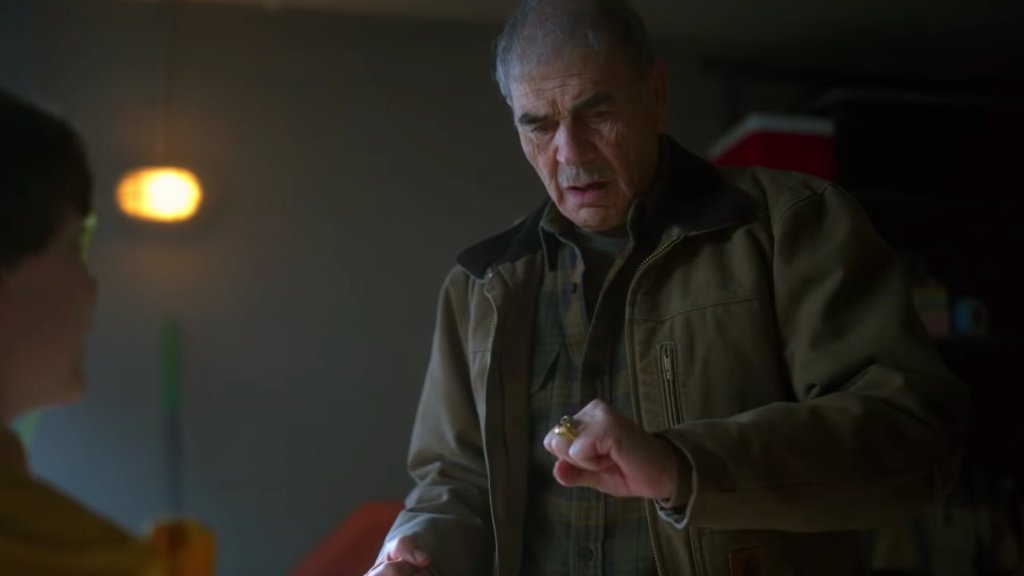
Of the two series I wanted to discuss in this review, I was less thrilled with Amazing Stories, but that was mostly because the stories didn’t seem as amazing as I would have liked. From a young man who travels back in time to fall in love a century in the past, to a boy whose grandfather receives super-heroic powers courtesy of a toy ring, there was just not enough inventiveness or freshness to these stories to make them very special. The character development part was often pretty good, and the acting was also not bad (a few semi-famous actors like Josh Holloway, Robert Forster, and Dylan O’Brien were mixed in with relative unknowns for the rest of the cast), but the sci-fi storytelling just wasn’t quite creative enough for me.
Out of the five, I think I most preferred the final episode, “The Rift”, where a WWII pilot flies through a rift in space-time to land in modern-day Ohio. Unfortunately, the plot is predictable, and its charm is mostly in the characters and the heart-warming themes of love and nostalgia. It’s unfortunate that this show is mediocre, because I keep hoping that Apple TV+ will have a winner before too long. I guess we’ll have to wait a little more for that.
Tales from the Loop
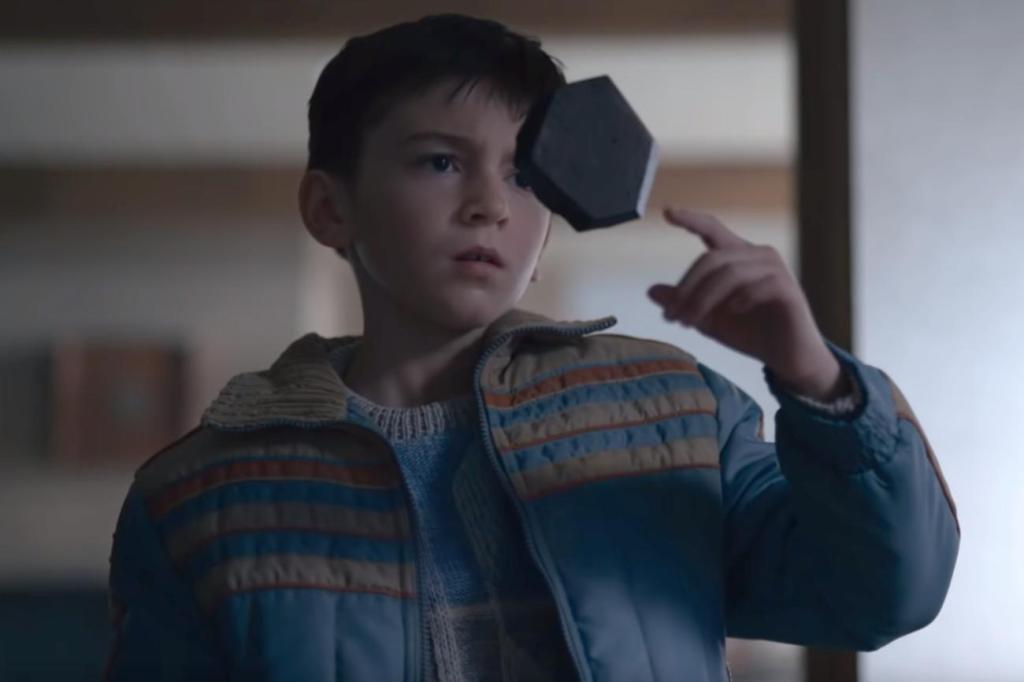
On the other hand, Amazon Prime Video keeps releasing original new shows in dribs (compared to the pace of streaming behemoth Netflix) and quite a few of them a quietly quite good. I had not even heard of Tales from the Loop before it showed up on the Prime home screen, and I knew nothing about it in advance. Colour me surprised to find a very gentle, yet surprisingly innovative, series that is based on the work of a Swedish artist named Simon Stålenhag, who imagined and depicted scenes of quiet suburban life alongside remnants of science fiction machinery. The TV show takes the premise of Stålenhag’s art book, Tales from the Loop, and moves its central story from Sweden to the US. The idea is that beneath the town is a mysterious experiment with the objective of proving that the impossible is possible. However, the effects of that experiment seem to leak out into the surrounding town and has various beyond-reality effects on the lives of characters in the town.
The stories are each somewhat contained within an episode, but they are also linked both by the presence of the Loop, as well as relationships between the characters: the main character for each episode is a side-character in one of the previous episodes. Each episode involves a science fiction concept, such as time-travel, switching consciousness, or robotics, but does it in a way where the sci-fi is not as important as the character themes such as love, death, family, etc. It’s all executed in a smooth and mild way (i.e. there are many more scenes of quiet expression than clanging action) that I think it does the show a disservice to describe its mechanics, but I love the way that the outlandish elements are made to feel absolutely ordinary.
One of my favourite episodes so far (I have not finished the entire first season yet), is about a pair of high school boys who are best friends. One is a tall, athletic, popular guy who appears to have it all; and the other is a shorter, nerdy guy who wishes that he did. They discover a large empty sphere in the woods that they think used to be a sea mine, but what it really does is switch the mind of the person inside the sphere with the person on the outside. After they switch, the boys decide to live each other’s lives for a bit to escape. Little do they expect how the experience will affect how they feel about their own lives.
The writing on these episodes is great, almost poetic and lyrical, and the acting is wonderfully subtle. There are not too many big names. The biggest is probably Jonathan Pryce (he played the High Sparrow on Game of Thrones), but I recognized British actress Rebecca Hall, along with Paul Schneider (from Parks and Recreation) as her cyborg husband. There are also some famous directors, namely Jodie Foster and Andrew Stanton (who directed Pixar movies, including Finding Nemo and wall-e). This series makes great sci-fi for people who aren’t into sci-fi, but for people who do enjoy sci-fi, it can be thought-provoking and also give you the feels (I have not cried yet, but almost). This show has not gotten much press — especially compared to Netflix series like Stranger Things and Black Mirror — but I love it so far and have recommended it anyone who will listen. It’s a fresh show and really makes nice use of the anthology format to tell some interesting, provocative, and evocative stories.
 Alvin's Adventures in Pop Culture