Much has been said (and will be said) about how extraordinary this year’s Oscar nominees are (in terms of diversity, and because “smaller” films got to break through due to studio films being delayed by the pandemic). For me that has also meant unprecedented access to the nominees through streaming services (mainly Netflix) for my home viewing convenience. Despite having not set foot in a movie theatre, I have been able to view an unprecedented 16 nominated works (including short films and documentaries), many of which I only viewed within the last week (too many for me to discuss them all below, but I’ll do my best). As usual, I liked some, didn’t like others, and was surprised here and there. Anyway, here’s my take on some of what I’ve viewed from this year’s Oscar pool:
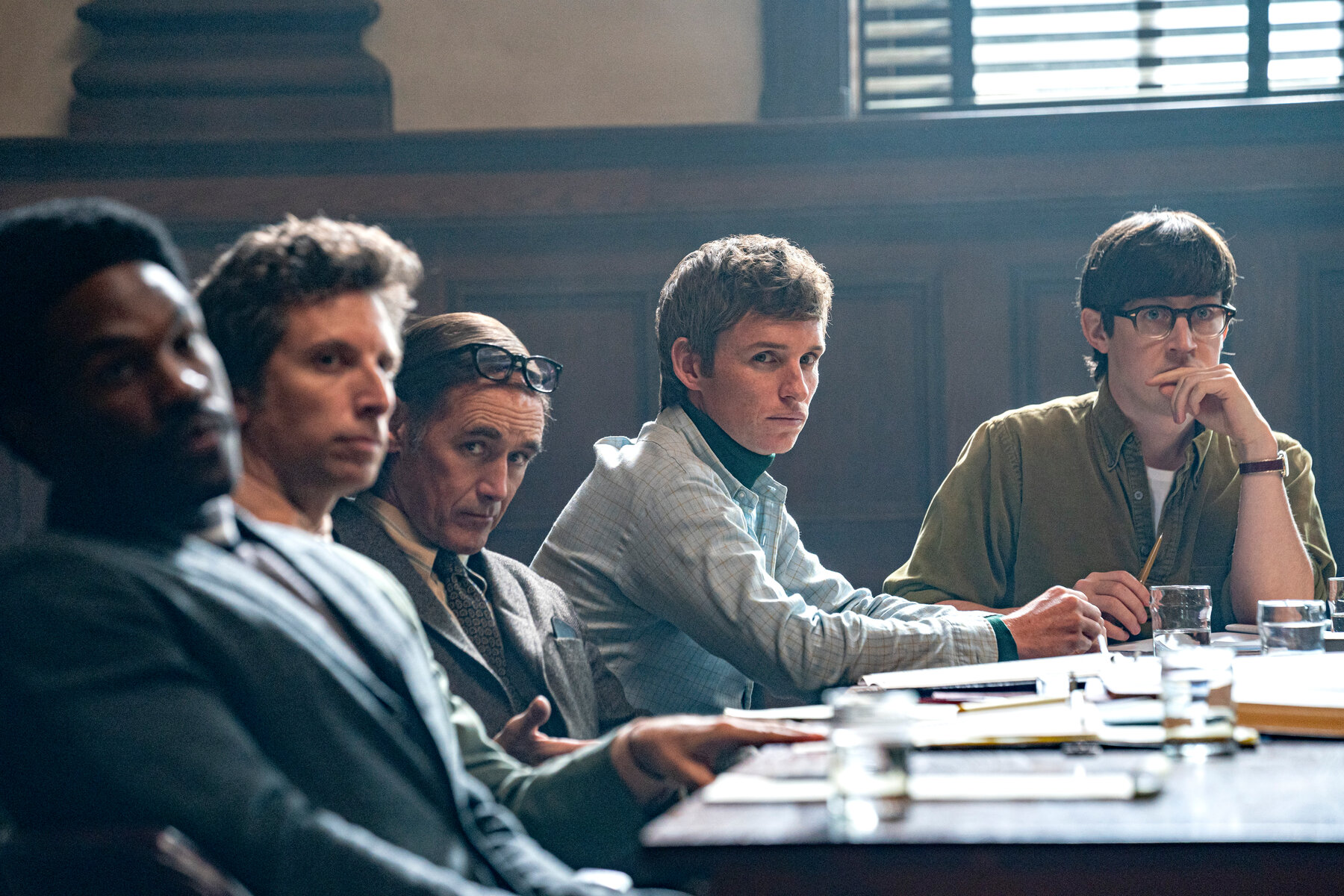
The Trial of the Chicago 7
Nominated for Best Picture, Actor in a Supporting Role, Writing (Original Screenplay), Cinematography, Film Editing, Music (Original Song)
I enjoyed watching this story of the men on trial for inciting a riot at the 1968 Democratic National Convention in Chicago. Knowing very little about this historic incident (having not yet been born when it occurred), I enjoyed the film half as a history lesson and half as dramatic entertainment. While the title led me to expect a lot of courtroom drama, the film was focused on the events and individuals at the heart of this story as much as the trial itself. I think this film has the right blend of well-acted character drama and brainy scripting (courtesy of Aaron Sorkin) to make it a best picture winner, but we’ll have to see. I was very much struck by the thematic relevance and significant echoes of those events in the recent Capitol Hill riot. I was also pretty impressed by acting nominee Sacha Baron Cohen, who was well-cast as the hippie activist Abbie Hoffman, bringing his own brand of covertly-clever and subversive humour. Whether it was one of the reasons for the editing nom or not, I also really enjoyed the storytelling aspects of this film, especially how a scene would cut directly into the next one in mid-sentence and have another character finish the thought in a very different way (kind of like that kids song “Miss Susie Had A Steamboat”, if you know what I’m talking about). Despite that last (rather worthless) analogy, this film brings together a well-crafted group of characters with a well-scripted and thought-provoking story.
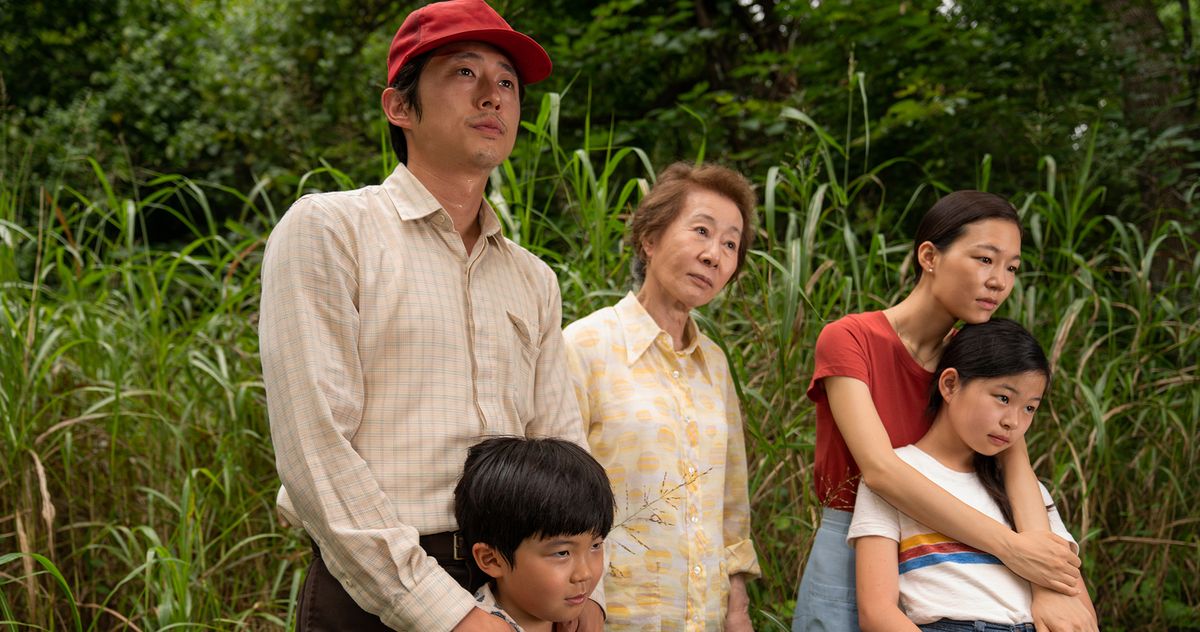
Minari
Nominated for Best Picture, Actor in a Leading Role, Actress in a Supporting Role, Directing, Music (Original Score), Writing (Adapted Screenplay)
It is so great to see Asian representation on the Oscar ballot, and this subtle, modest story (based on nominated writer/director Lee Isaac Chung’s own life) of a family of Korean immigrants trying to make a life for themselves in 1983 rural Arkansas is tender without being saccharine, and beautiful without being trite. I never thought that I’d be interested in such a story, but the performances of the Yi family (including nominated performances by Steven Yeun as the father, Jacob, and Youn Yuh-jung as the grandmother) are so natural that I felt very intimate and close with this family (especially with scene-stealer and breakout sensation Alan Kim as young son David). This film is unpretentious, in that it is not trying to be the ultimate Asian-American immigrant story, and yet it is a banner of representation, telling a story of realistic characters whose lives we have never seen the likes of on screen before. One more thing that I appreciated about this movie is that while I kept waiting for that predictable confrontation where racist white Americans would abuse and reject the Yi family, or tell them to “Go back to China”, or damage their farm in a fit of ignorance and hate, that scene never came. I see that as a decision of the filmmakers not to demonize prejudice but to combat it in a positive way by promoting diverse stories and bolstering representation instead.
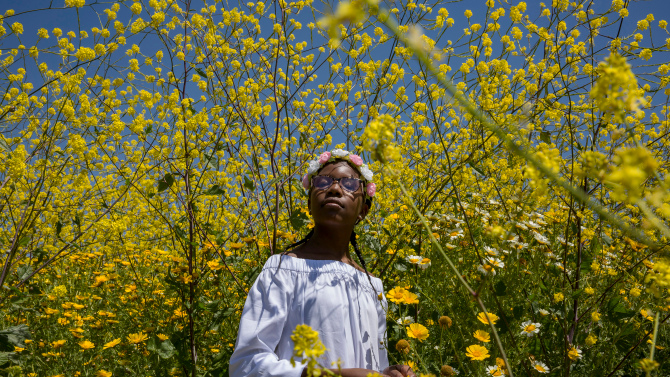
A Love Song for Latasha
Nominated for Documentary (Short Subject)
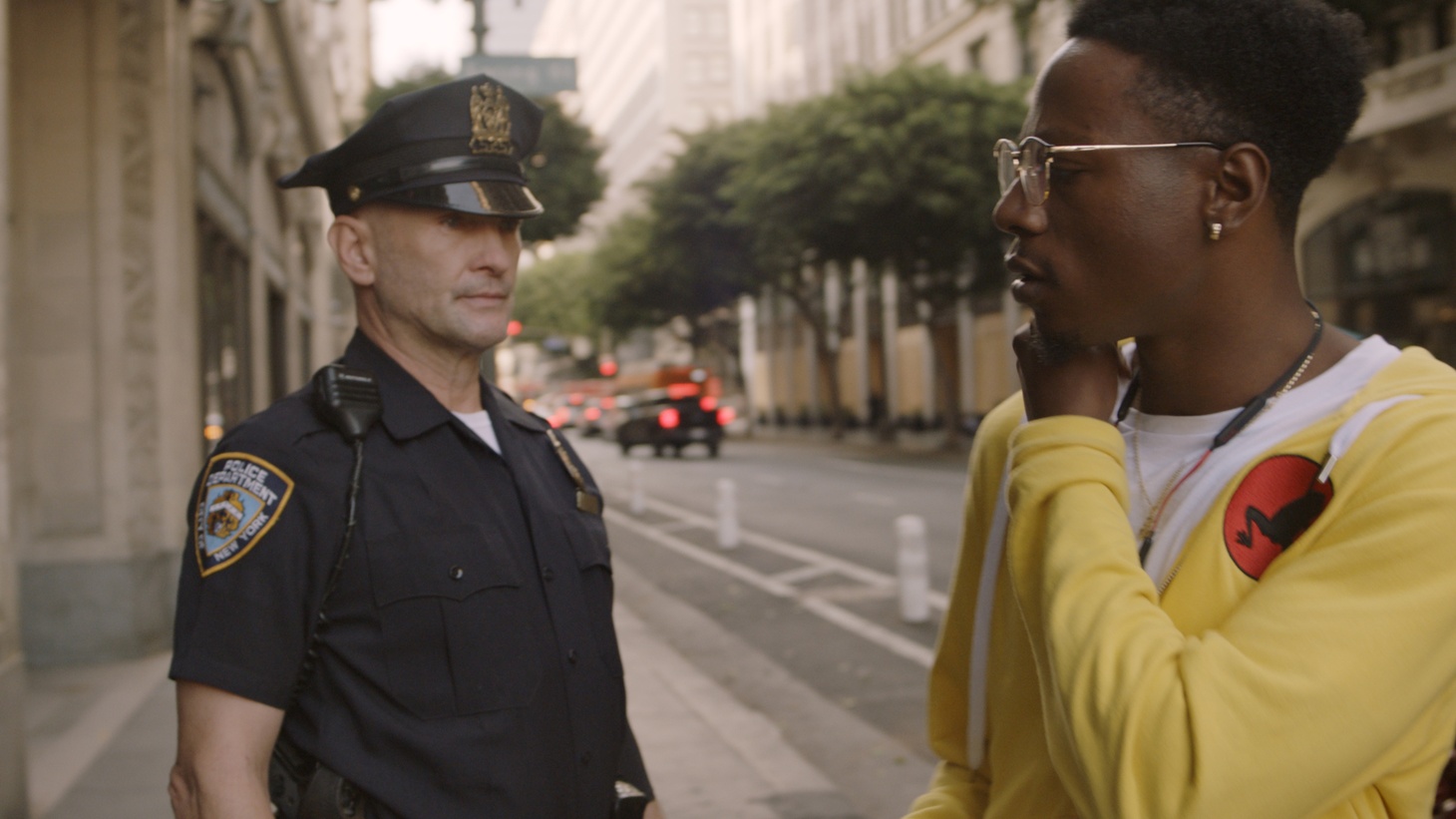
Two Distant Strangers
Nominated for Short Film (Live Action)
These two short films also examine race and culture from different storytelling perspectives. A Love Song for Latasha recounts the story of Latasha Harlins, whose killing by a shop owner who thought she was stealing a bottle drink partially precipitated the 1992 L.A. riots. Using the spoken words of Latasha’s friends and family, this film artfully captures a snapshot of Latasha’s character as well as her influence and emotional connection to the people around her. Again, it chooses to humanize and represent rather than villainize. Two Distant Strangers also tells a story but it is a bit more heavy-handed and the representation is more pointed as a young Black man keeps repeating the same day when he is confronted by a white police officer and killed. The symbolism is unapologetically clear that this character, Carter, is meant to represent the many Black individuals who have been killed in unwarranted confrontations with the police. This film is a compelling reminder and wake-up call about this injustice that continues, and the time-loop storyline adds a bit of a fresh spin on this message. Both shorts are worth checking out on Netflix.
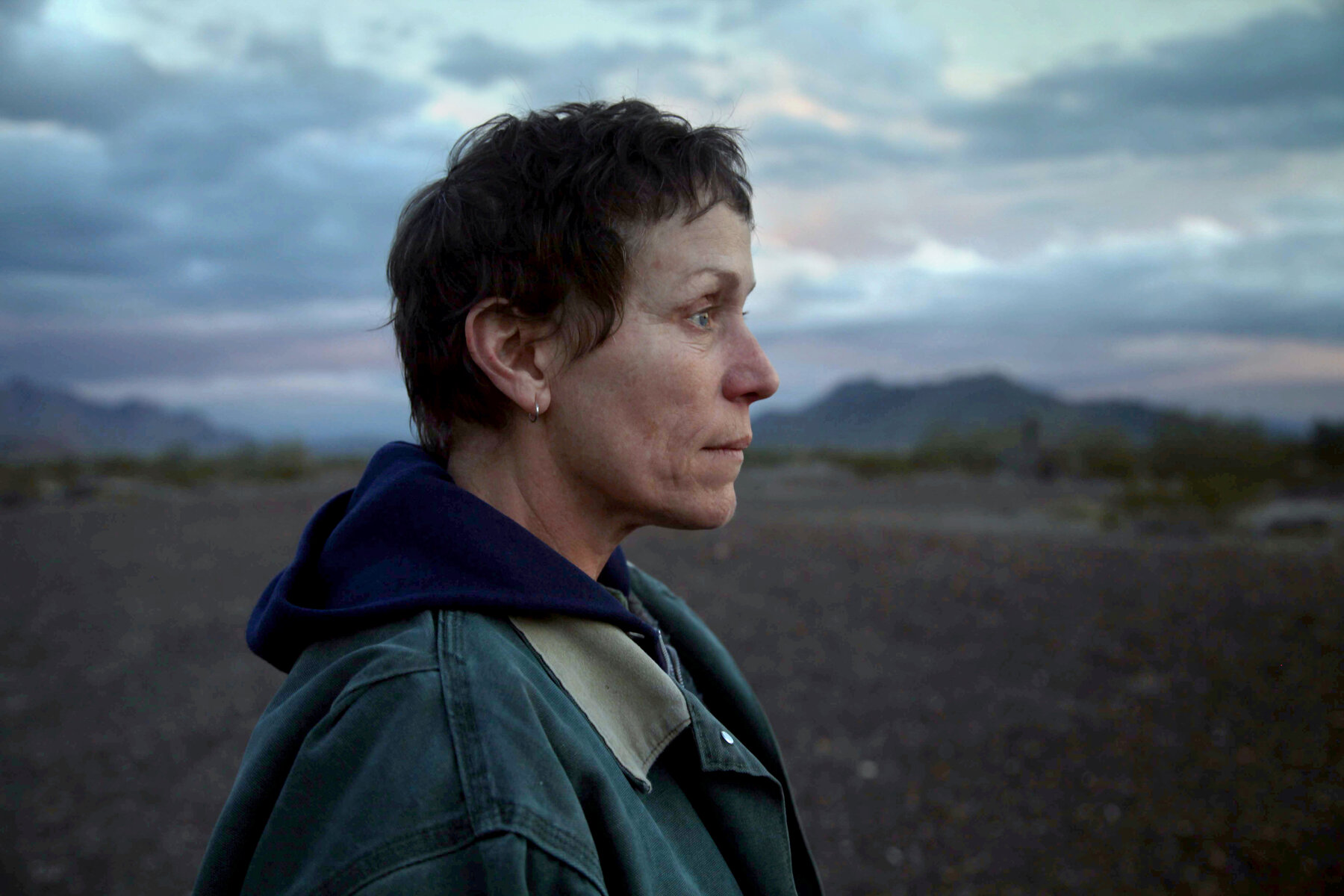
Nomadland
Nominated for Best Picture, Actress in a Leading Role, Directing, Cinematography, Film Editing, Writing (Adapted Screenplay)
I confess that I was extremely hesitant to watch this film (even though it was included with my Disney+ subscription) because the subject matter and story looked completely unappealing to me. However, this film about Fern (played by nominee Frances McDormand) who lost her husband and whose town was eliminated, ends up taking her van on the road to join up with a vast community of American nomads, eventually grew on me. Though it is a drama, based on an actual person’s memoirs, some of the most interesting characters are real-life individuals from this community playing a version of themselves in the film. A lot of the appeal of this film is seeing the wide open landscapes of the American West (so I’m glad that the cinematography was nominated because it looked great). The script and story are rather low-key, with a lot of contemplative scenes rather than an excess of plot. Fern is a modern itinerant worker, taking temporary jobs to pay for the necessities, but that’s really more of a backdrop than a plot element. She also meets and forms a relationship with Dave (played by David Strathairn) but it’s too loose to turn into a love story. This film has received tons of critical acclaim, and though I won’t say it’s undeserved, the film ultimately didn’t appeal to me too much. I was genuinely intrigued by this glimpse into another North American subculture, but beyond the anthropological it was too much of a mood piece for me to really enjoy it. Nevertheless, I’m delighted about Chinese-American director Chloe Zhao being nominated for writing and directing this film.
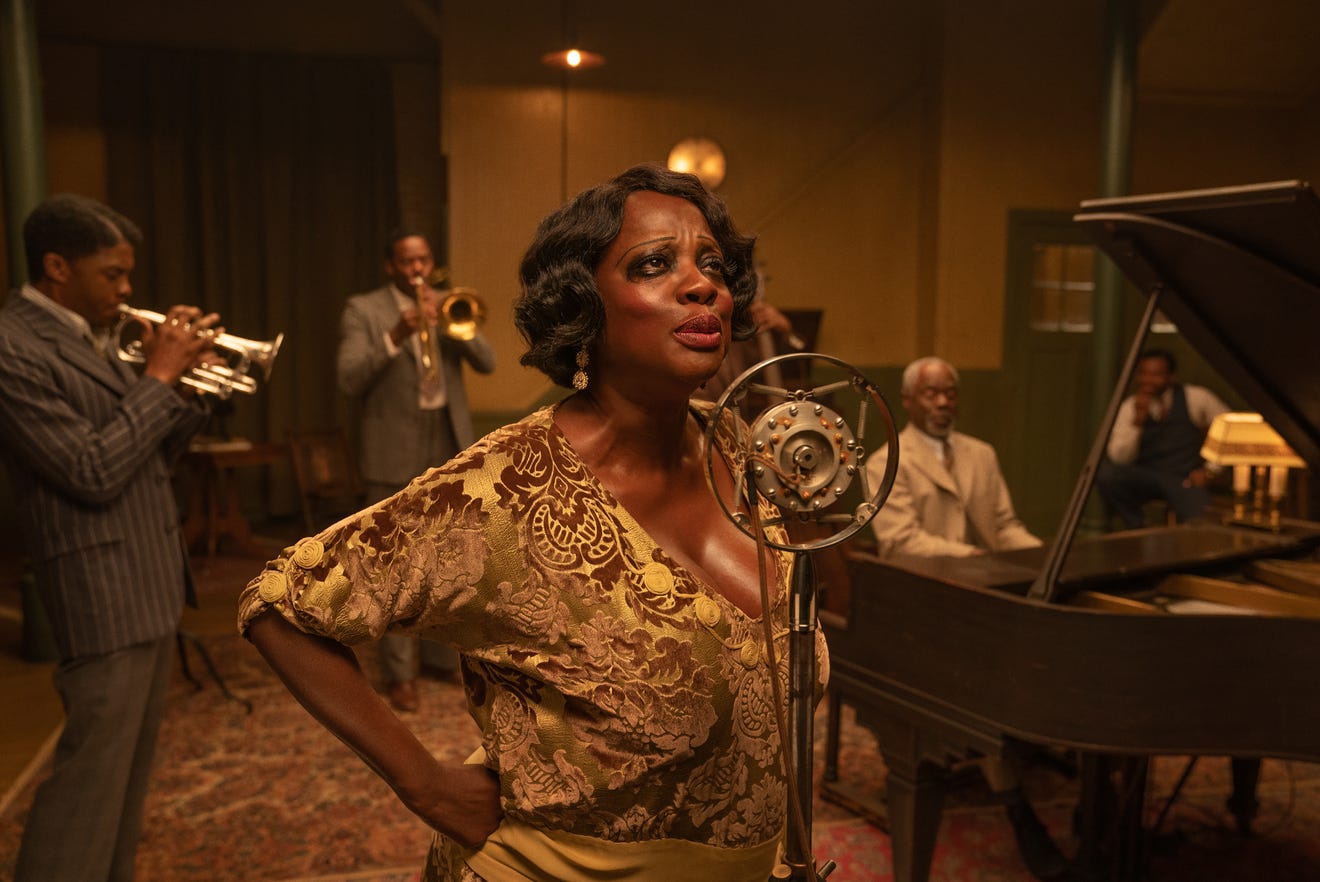
Ma Rainey’s Black Bottom
Nominated for Actor in a Leading Role, Actress in a Leading Role, Costume Design, Makeup and Hairstyling, Production Design
This is another film that I would have skipped if it hadn’t been included in my Netflix subscription, because I’m just not a big fan of blues and jazz culture. Nevertheless, to my surprise, I was very much engaged by this story of a famous 1920s blues singer, Ma Rainey, and one turbulent recording session in Chicago. If that doesn’t much appeal to you either, I’ll say that the film is much more about the characters than the context. Oscar nominees Viola Davis (who I love in anything she does, though I don’t always watch her) is incredible as the talented but unlikeable singer, and Chadwick Boseman (in his final performance) is also pretty amazing as Levee Green, an ambitious musician and songwriter whose fiery personality leads to tragedy. Adapted from a play, the film is full of some very good dialogue and some strong soliloquies as well, so I’m a bit disappointed that it wasn’t nominated for Adapted Screenplay, nevertheless, I’m rooting for both those actors to be honoured with the gold on Sunday.
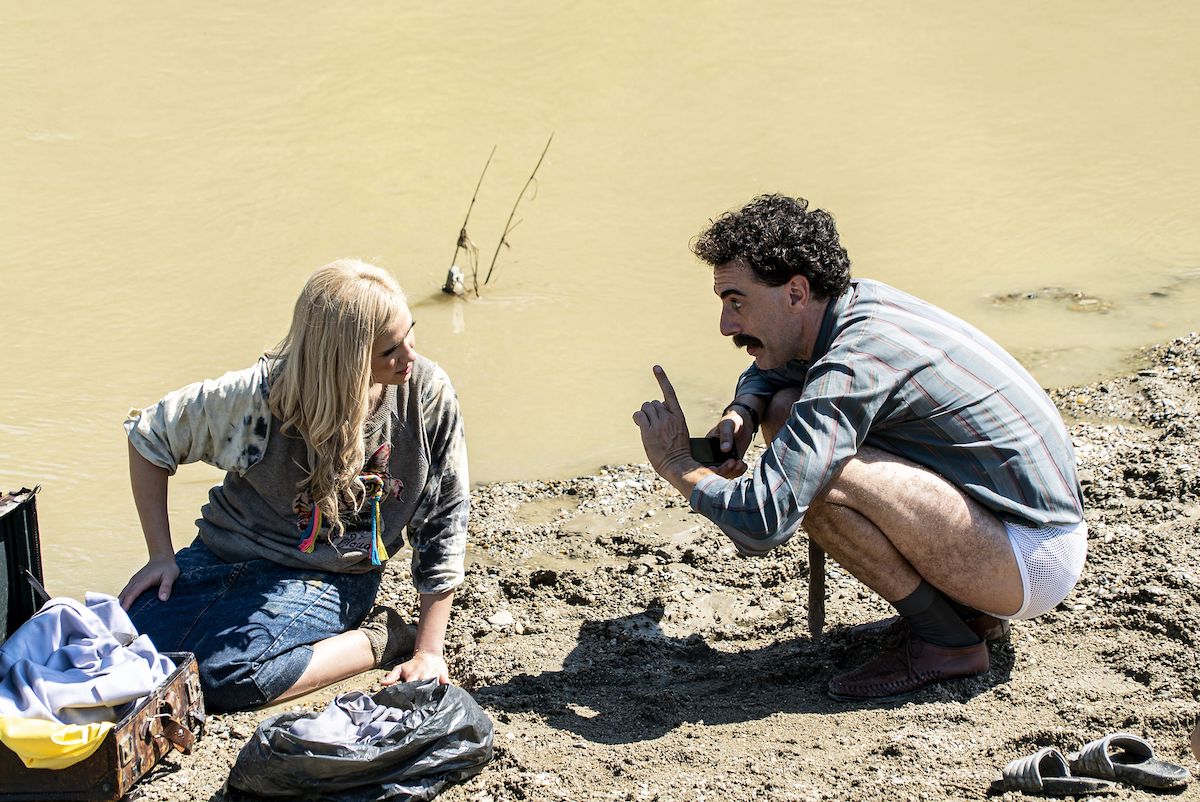
Borat Subsequent Moviefilm: Delivery of Prodigious Bribe to American Regime for Make Benefit Once Glorious Nation of Kazakhstan
Nominated for Actress in a Supporting Role, Writing (Adapted Screenplay)
I’m such a hesitant movie-viewer that I was even reluctant to watch this Borat sequel when it came to Amazon Prime. I had previously heard about how Rudy Giuliani had been duped into pulling down his pants for the nominated actress Maria Bakalova, in her role as Borat’s daughter Tutar. I am wary of awkward and embarrassing humour, but as I watched, I was reminded of how much I had enjoyed the original Borat film 14 years earlier. I guess it is a testament to Bakalova’s performance that I have virtually no idea of what her true personality might be like (maybe I should check out some interviews) because she completely inhabited this character of an almost feral teenage girl, who becomes a clueless trophy wife to be gifted to Vice President Mike Pence, and ends up a strong female journalist. Also, despite the outrageously cartoonish things that both Tutar and Borat do throughout the film, real people were apparently convinced that it was all authentic! The movie is crazy, but also crazy clever. If you don’t mind some pretty out-there behaviour and off-colour humour, this is a funny movie. Plus, the plot is extremely current and relevant in its own bizarre way.
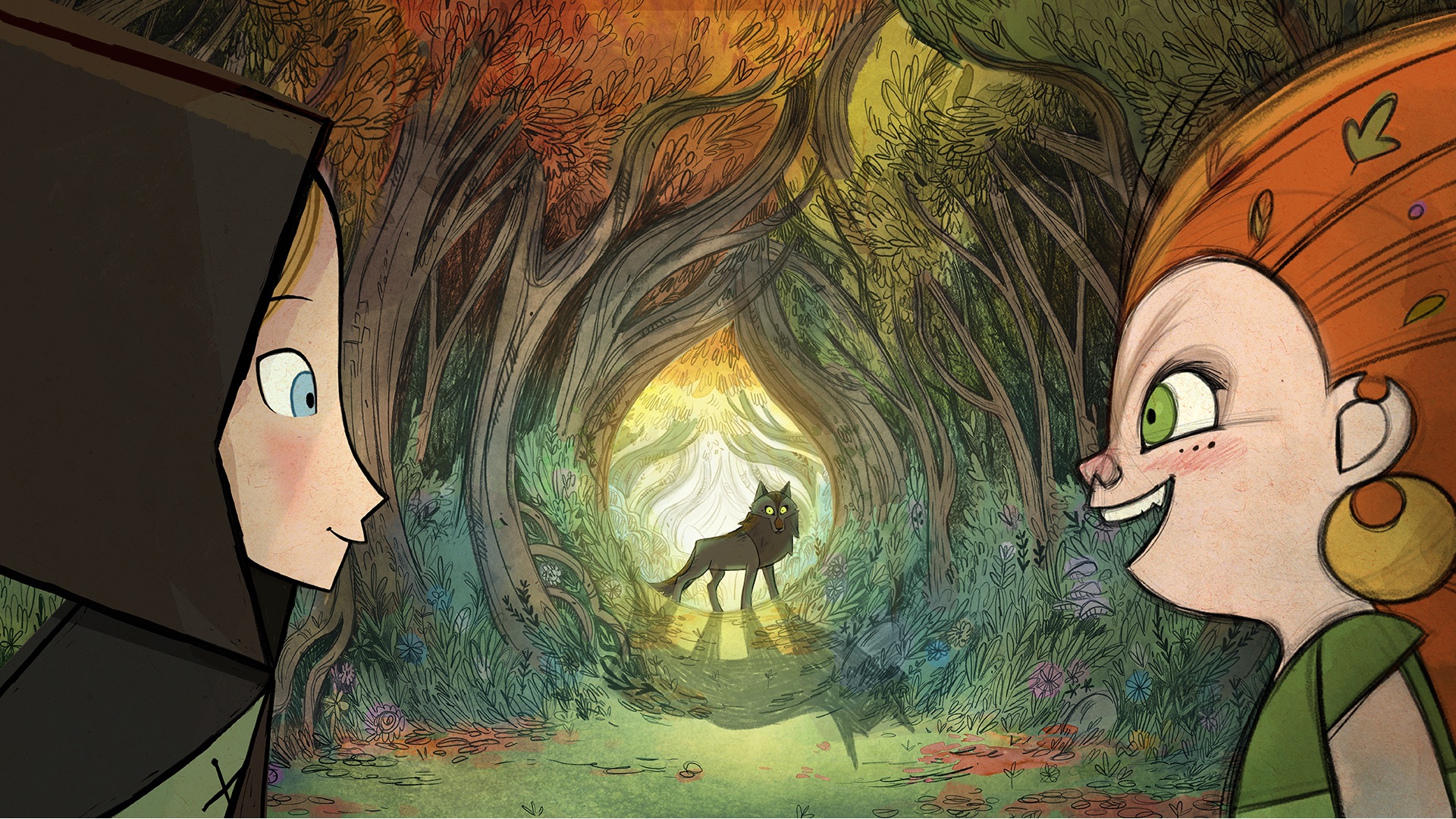
Nominated for Animated Feature Film
Soul; Onward; Wolfwalkers; Shaun the Sheep:Farmageddon
As usual, I am highly supportive of the Animated Feature category, and have viewed 4 of the 5 nominees (Ironically, despite my rallying behind Asian representation, I have not yet found the time to watch Chinese-American co-production Over The Moon, but I will!). While it seems like a lock for Pixar’s Soul, as I have previously posted, I was a bit disappointed with the film — not for its technical aspects, which are Pixar-flawless, but I found the metaphysical aspects of the plot to be very trite, and the body-swap storyline to be a bit cliche. Similarly, Disney’s Onward is another misfire which is a nice story about brothers and fathers, but its fantasy-themed world is rendered lame by its attempt at suburban parody. While I love Aardman Studios animation, I don’t much enjoy its movies. I find their stories are too silly and juvenile. I have never been a big Shaun the Sheep fan, so I watched this latest movie only because it was right there in my Netflix queue. As I started watching it and seeing that the story involves the sheep (and a dog) getting involved with an alien (who also looks kind of like a dog) who lands in their neighbourhood, I kept thinking of how ludicrous this plot was — typical Aardman. Nevertheless, by the end I got over my hangups and enjoyed the light-hearted fun romp for what it was. I’m pretty sure there is no way that Shaun the Sheep: Farmageddon will come close to beating Soul, but the kiddies might enjoy watching it. Finally, when I watched Apple’s Wolfwalkers, I thought that this was the exact kind of fairytale epic that Disney needs to do more of (Forget Onward!) Set in 17th century Ireland, Wolfwalkers tells the tale of Robyn, a young girl whose wolf-hunter father protects their town from the beasts that plague them. She befriends a wild girl, Mebh, who comes from a tribe who can transform themselves into wolves. When Mebh loses her mother, Robyn helps her friend, which leads to a confrontation not only with her father, but the town leaders as well. Animated by the same studio that produced past Oscar nominees such as The Book of Kells, this film has a wonderfully colourful style that appropriately calls back to ancient European cultures. Plus, the characters, their relationships, and the storyline are nicely crafted. I would definitely vote for this movie to win the category, but unfortunately I don’t think that it will.

My Octopus Teacher
Nominated for Documentary (Feature)
If you’re thinking of categories of films that I might never be inclined to watch, a documentary about a man who befriends an octopus might be at the top of the list. However, this film ended up being pretty fascinating (and thankfully not cutesy). Facing some serious burnout and an emotional crisis, documentary filmmaker Craig Foster starts taking swims off the South African coast, and soon discovers a peculiar octopus who he visits daily. Over the course of a year, Foster not only bonds with the sea creature, but it gets to know him and recognizes him as well, similar to a pet. The film not only follows that interaction between human and mollusk, but Foster also shows great concern for what happens to the octopus as it lives out its year in the kelp forest. The theme of connection to nature and its emotionally healing power is pretty clear, and despite the ultimate fate of this octopus, it’s a very positive story being told. While it’s still mostly a nature film, the personal human angle gives it something for viewers to genuinely connect to.
I’m looking forward to Sunday’s ceremony both because having viewed a number of the nominees I have an emotional stake in the outcome, but also because it will be interesting to see how director Steven Soderbergh handles all the logistical challenges that the global pandemic has thrown at this cornerstone event. I think I might be intrigued about that even if I hadn’t watched all the films that I have, but now I’m more excited for the Oscars than I have been in a very long time.
 Alvin's Adventures in Pop Culture