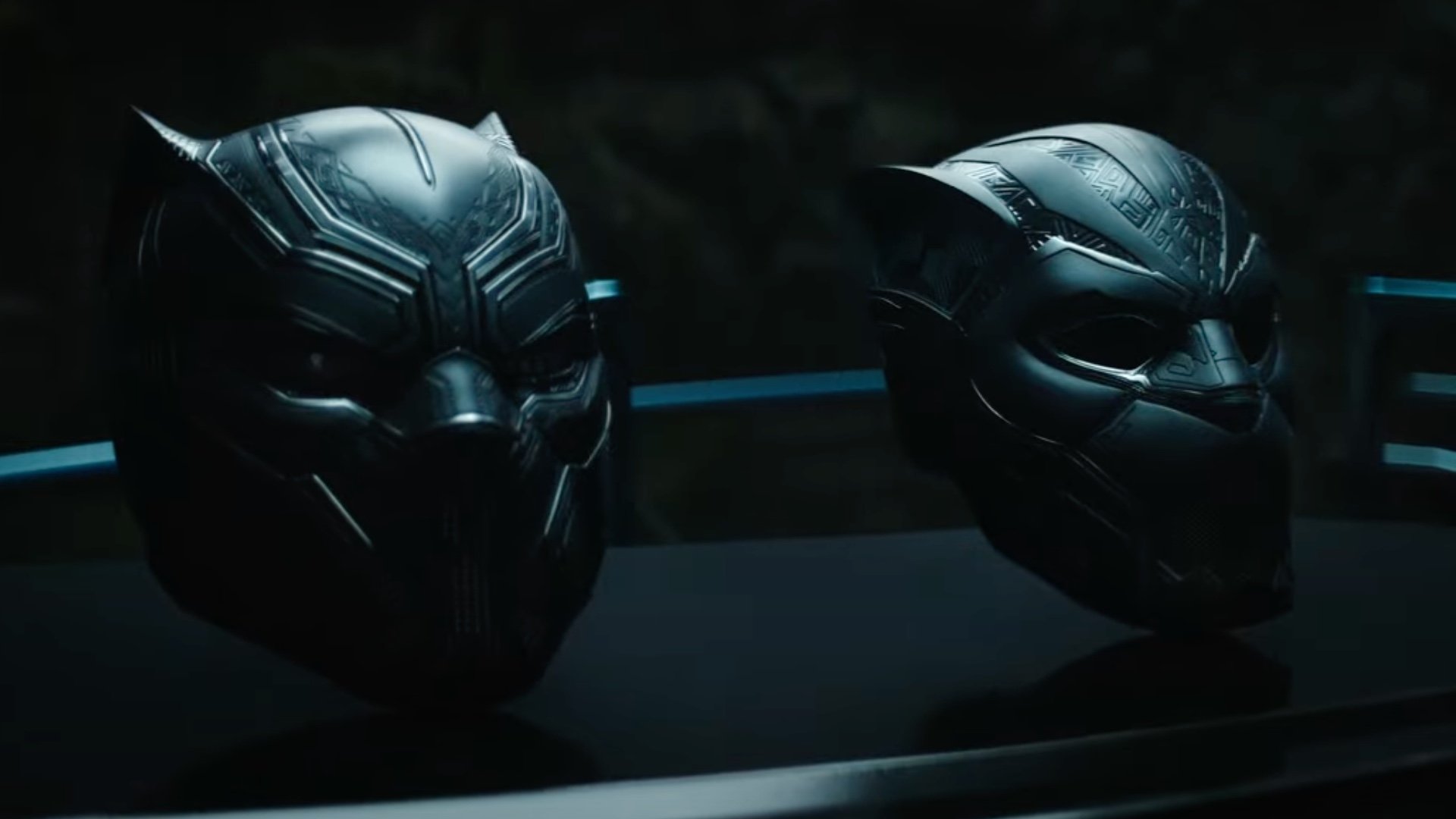
Wakanda Forever was both a movie about grief and about war. Two of the biggest topics in human life, but Marvel tackles them within a single movie. After the loss of T’Challa, the Black Panther from the first movie (who apparently died of an unnamed illness — mirroring the death of actor Chadwick Boseman, who played the role) the fictional nation of Wakanda mourns their king and protector. At the same time, other nations see Wakanda’s vulnerability and seek to take what they have (in particular, the magical metal known as vibranium, which allows them exclusive and inexplicable advances in technology). This is where the war comes in. While I appreciate the exploration of the characters’ grief, and Angela Bassett and Letitia Wright both give pretty strong performances as T’Challa’s mother and sister, respectively, perhaps what Disney/Marvel doesn’t understand is that I don’t really come to an MCU movie for intense emotional drama and exploration of character trauma. In the end, I much preferred to watch the half of the story about the conflict between Wakanda and Talokan (formerly known as “Atlantis”), instigated by the Talokan king, Namor (formerly also known as the “Submariner”). Both these imaginary nations are full of superhuman powers (especially with the Talokan being able to breathe underwater and control the minds of sea creatures) and possess fabulous techno-magical weapons, so this movie becomes something closer to “Lord of the Rings” than “Iron Man”. In fact, a plot thread that runs through the movie involving CIA Agent Everett Ross (played again by Martin Freeman) and Director Valentina de Fontaine (played by Julia Louis-Dreyfus) seemed like an irrelevant diversion whenever they showed up. All that said, this is ultimately still a comic-book adventure movie full of colourful, flashy battle scenes — far from being a heavy war film.
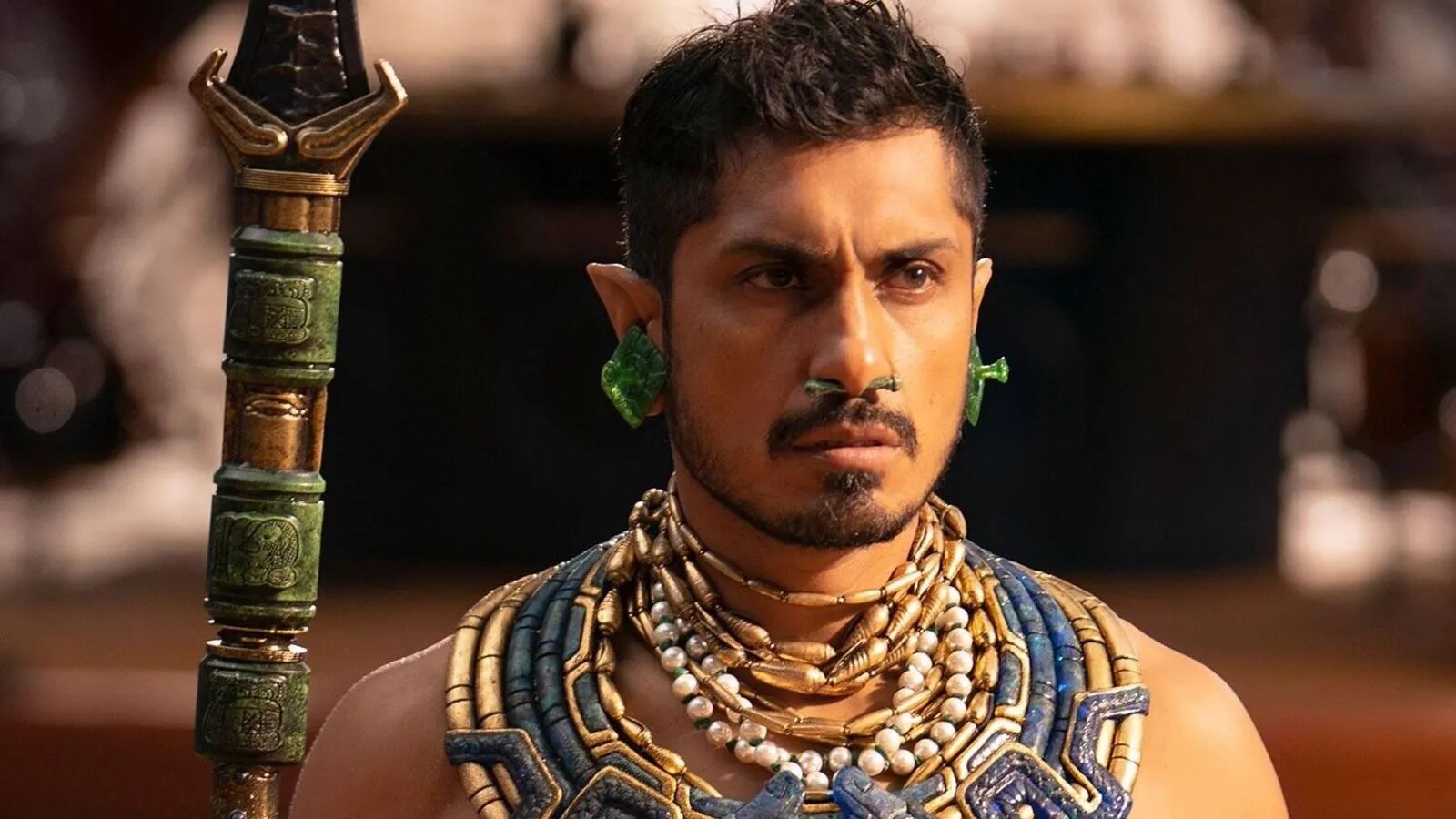
With every scene you can see not only the creativity of design in all the costumes, gadgets, weapons, and characters, but also the money being spent to bring it all to life. One of my favourite things about Marvel movies is how everything that we’re used to seeing on the comic book page looks like it could really exist and could actually be happening. It consistently feels like they’ve given a lot of thought to small and big details. In particular, I was fascinated by how the Talokan don’t have the classical (i.e. Greek/Roman) style that is normally associated with Atlantis, but instead they have gone with a Meso-American, Mayan-inspired look and matching historical backstory. Namor himself (who in the comic books is very pale and looks almost like a cross between an Asian and a Star Trek Vulcan) is instead portrayed by Mexican actor Tenoch Huerta Mejia, with his darker skin and look (though the rest of his people have blue skin). While I am happy about the added diversity that this conceptual choice and casting brings to the MCU, I’ve also always enjoyed seeing more of the Mayan culture. I enjoyed that they went in this direction (Still, I nitpick a bit that their supposed 600-year history is not enough time for an underwater civilization to have reached the point that they had — but it’s hard to argue where magic is involved).
There are a number of characters to enjoy in this movie, and without a Black Panther at the centre, it is very much an ensemble story as we follow first Queen Ramonda (Angela Bassett) dealing with international politics, then Okoye (Danai Gurira) and Shuri (Letitia Wright) seeking to protect new character Riri Williams (Dominique Thorne), and Shuri struggling with all the feelings surrounding her grief and the difficulty of deciding whether to take over the Black Panther mantle to lead the Wakandans in battle. I really thought that every scene with Angela Bassett as Ramonda was wonderful (not only because of her fabulous headdresses, but) because Bassett has an amazing way of speaking that is full of strength and certainty and the script really leaned into that for her. On the other hand, even though she’s become older and wiser in this second movie, Letitia Wright as Shuri just doesn’t carry the kind of wisdom, strength or gravitas needed for her to become the hero and leader of Wakanda — which I think was intentional. I’m not sure if there is another MCU Wakanda movie planned, but I’m interested to find out what happens to her next. I’m not familiar with the comic book story, so in my mind it’s all up in the air — which kind of gives me some fear that Shuri might go the way of a Daenerys Targaryen (from Game of Thrones) if Marvel head Kevin Feige doesn’t keep a handle on things.
As much as this movie seemed a bit outside of the world of the main MCU, there were definitely signs that strings were still being pulled in order to set up future movies and TV series. These obvious plot elements are a bit unfortunate because they often stand out as decisions or twists that don’t really make a lot of sense. Most notably something happened to Okoye after she comes back to Wakanda after having lost Shuri to Namor that made little sense to me — we’ll see where this plot leads later. Plus, the introduction of the Riri Williams character added almost nothing to this story, so I imagine that’s meant to set something else up as well. As unavoidable as it probably is, it would be great if there was less of this teasing and set-up. I feel like it would be better if every part of the movie made sense within the scope of the movie itself and wasn’t trying to serve the larger narrative plan or trying to resolve something related to the comic-book source materials.
After a few disappointing chapters in the MCU saga (i.e. Doctor Strange and Thor) I enjoyed Wakanda Forever a lot more, and felt a bit of a renewal of my enjoyment that gives greater excitement about future films. Hmmmm … let’s see which one is next. (4 out of 5)
 Alvin's Adventures in Pop Culture