Whoever gave this movie its title definitely believes in “truth in advertising”. After five seasons and two prior films, this one is predictably destined to bring the series truly to a close. The only word that might be a bit mischosen would be “grand” because most of the movie is actually relatively reserved and quiet. Several of the main characters are retiring and moving on; hands are changing for all of the major household duties and roles; and couples continue to settle down to their own lives apart from the workplace family that they’d previously formed. If you are reading this but don’t know what I’m talking about, it’s probably because you haven’t watched the show. I don’t think you should watch this movie either, but rather you should start the series from the beginning. This movie is about closing thematic story arcs that have stretched across the entire series, along with tying beautiful and elegant little bows on all the loose plot threads lingering throughout. After you’ve caught up, then you’ll appreciate the warm soft fuzziness of this movie.
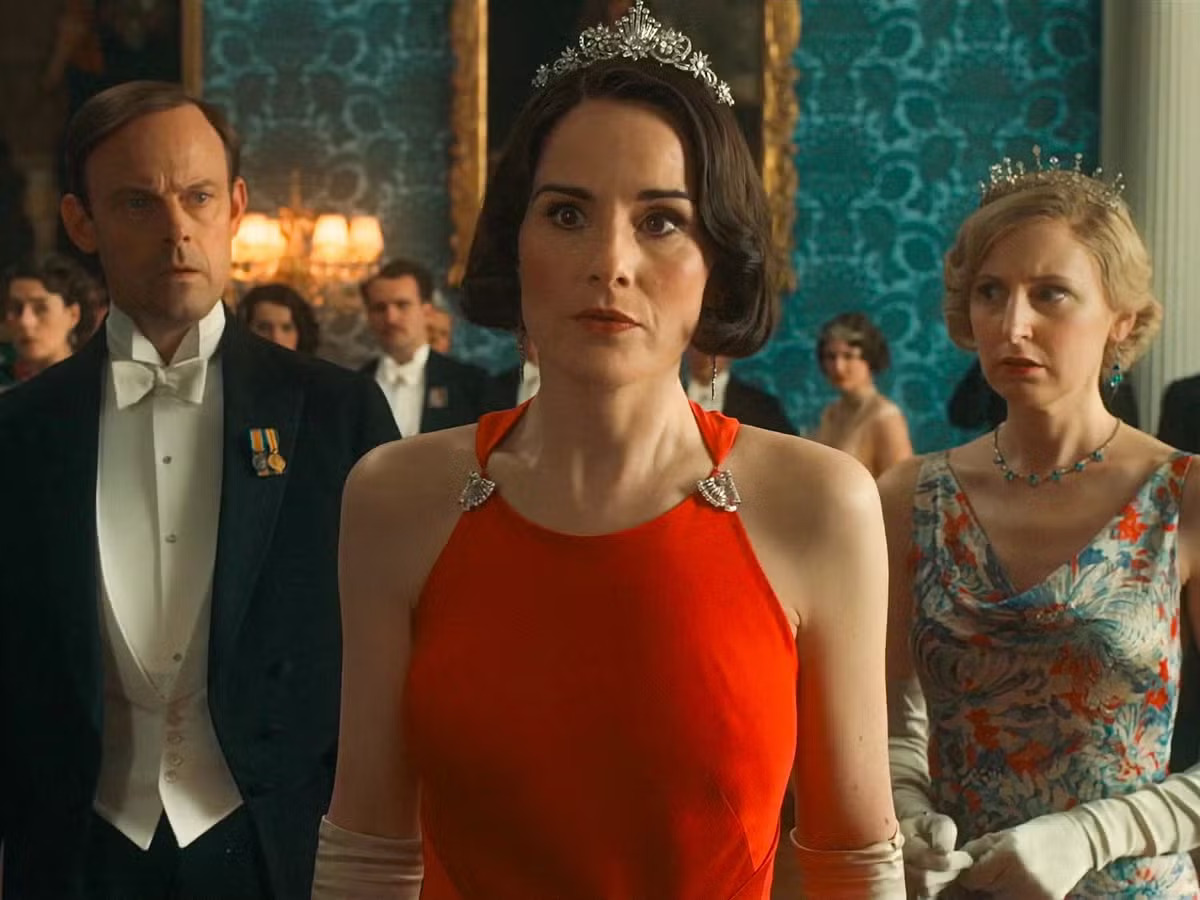
Granted, they do try to throw some backstage-induced drama into this movie with Lady Mary’s divorce (It’s not a spoiler if it’s in the trailer!) from Henry Talbot (a plot resulting from the absence of Matthew Goode in the cast), but that’s really an echo of past indiscretions that Mary has been involved (leave it to Downton Abbey to make us nostalgic for upper class scandals). Mary’s falls from grace are not the only echoes to past themes in this film, either. We also revisit financial downturns that put Downton Abbey in jeopardy (though no one specifically names Lord Grantham’s bad investments) as well as the continuing question of whether he will be able to hand the reins of management down to Mary. That theme of torch-passing is also revisited with Carson (who seems perpetually returning from retirement to try to step on the toes of the head butler at the time). While all these recurring themes may feel monotonous to non-fans, for us devotees they are familiar tunes.
There are some added storylines that don’t really fit quite so snug, including bringing back Dominic West as famous actor Guy Dexter from the previous movie, Downton Abbey: A New Era. The main reason for his inclusion is to justify scenes with Thomas, former butler who became Dexter’s dresser, and also give reason for the character of Noel Coward, the famous playwright and composer. Paul Giamatti returns from America as Lady Cora’s brother Harold, who is surprisingly at the centre of one of the more prominent storylines of this movie. Unfortunately, since he’s more of a recurring guest character, rather than one of the original, it feels like a bit of a tack-on story.
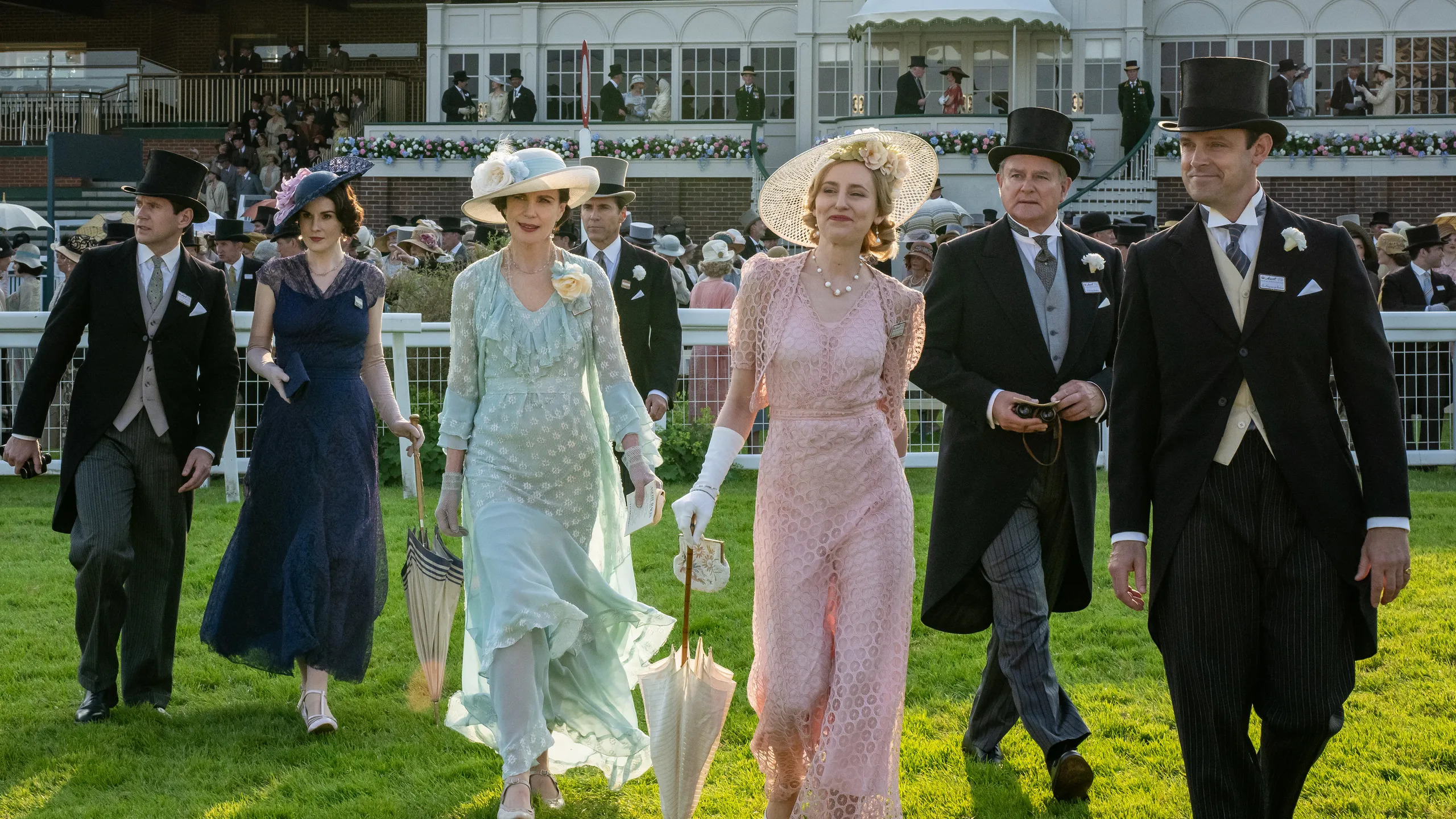
While all of the cast is showing the passage of time, some of the other changes have been about the way the family’s relationships have grown and evolved. Of course, it’s been a while since Irish brother-in-law Tom Branson has gone from being the interloper who stole their baby sister/daughter to being a family pillar, conscience, and everyone’s reasonable best advisor. This time he has only a smallish role in the overall storylines of the film (except he does save the day in one of them — another echo of stories past). One of the best changes is the way Edith, the formerly tragic spinster aunt, has become a much more confident and formidable woman (I guess it doesn’t hurt to become the wealthy Marchioness of Hexum), and her relationship with Mary has become so much more mature and balanced. While I (and every other viewer) used to pity her, I think she’s now one of my favourite characters. Of course, Maggie Smith (and her fan favourite character Countess Violet) are notably and noticeably absent. Her dry humour and snarky wisdom are such a cornerstone of the series that a whole film without her is about as much as any of us can probably take.
In the end, there are no big surprises. The actors and characters that we have grown to love come back for brief curtain calls and swan songs. Everything ends with a pleasant sunset feeling, including a lovely montage at the end, which is pure nostalgia bait, and a literal walk into the sunset. While I would not say that this film is emblematic of what Downton Abbey has always been about, it’s true to the series and its many callbacks make it a satisfying and appropriate sendoff.
4 stars
 Alvin's Adventures in Pop Culture